B12 Injections Why are doctors stopping B12 injections?
Why Are Doctors Stopping B12 Injections? A Cautious Consumer Guide for Women 35–44
Why this keyword is getting attention: for years, B12 injections were marketed as a “quick fix” for fatigue, low energy, and certain mood and concentration concerns. But in many clinics—especially over the last few years—you’ll notice a shift toward testing first and treating only when deficiency is confirmed or strongly suspected. That naturally leads women (especially ages 35–44) to ask, “Why are doctors stopping B12 injections?” The most useful answer is usually about appropriateness: fewer blanket injections, more lab-guided decisions, and more emphasis on safer, simpler options when they’re likely to work for the specific person.
From a consumer-review perspective, the story is less “B12 shots don’t work” and more “the right people, the right dose, and the right timeline matter.” If your B12 is normal, injections can be unnecessary. If your B12 is low due to absorption issues, clinicians may still treat—but might choose an approach based on severity, symptoms, and follow-up results. If you’re tired, stressed, peri-menopausal, or sleeping poorly, B12 can be one possible contributor—but not always the main one. The result is a more cautious, evidence-aligned approach.
What Why Are Doctors Stopping B12 Injections? Is and Who It Might Fit Best
“Why are doctors stopping B12 injections?” usually reflects one or more of these realities:
- Not all low-energy complaints are B12 deficiency. Fatigue can come from iron deficiency, thyroid changes, sleep apnea, stress load, vitamin D insufficiency, medication effects, or life stage changes. Injecting B12 without confirming deficiency can delay finding the real driver.
- Routine injections for everyone aren’t efficient. Many clinicians prefer baseline labs (including B12 and often related markers) before recommending injections.
- Oral B12 can be a practical alternative. In many cases, oral or sublingual B12—especially at higher daily doses—can raise blood levels without repeated clinic visits.
- Safety and tolerability matter. Injections involve needles, office procedures, and the potential for adverse reactions.
Who it might fit best: women 35–44 who have repeatedly heard conflicting advice (shots vs pills), have borderline or fluctuating lab results, or want a more grounded plan. It may also fit women who tried injections and didn’t notice a clear improvement after several weeks. If you’re using B12 as an “energy insurance” habit without labs, this keyword is especially relevant—because it reflects a move away from “take what’s trendy” toward “measure, match, reassess.”
Practical Benefits and Where It Falls Short
In the real world, B12 can be a helpful supplement when deficiency is real. The issue is that “helpful” doesn’t automatically mean injections are the best or most efficient route for every woman.
Personal experience case (neutral-to-positive but cautious): I once reviewed a plan for a 39-year-old woman who felt “wired but tired” and had a busy schedule that made appointments difficult. Her labs showed low-normal B12, and her clinician recommended trying a daily oral B12 product for 8 weeks before doing injections. She reported that within the first 2–3 weeks she didn’t feel a dramatic energy surge, but her afternoon crash became less intense. The biggest change for her was steadier focus during meetings rather than “instant motivation.” Her follow-up lab showed improvement, and she avoided injections afterward. For her, the benefit wasn’t magic—it was convenience plus measurable improvement.
Negative case (where injections disappointed): Another 42-year-old patient described taking B12 injections that were purchased through a program outside her primary care office. She expected noticeable results within days. After her third injection, she still felt overwhelmed, had worsening sleep, and developed localized soreness and bruising at the injection site. She also later learned her main issue was iron deficiency plus sleep disruption—while her B12 was not severely low. When her clinician focused on iron first and adjusted her sleep schedule, she started improving over a few weeks. In her case, injections were the wrong tool at the wrong time—and the side effects (minor but annoying) were still real.
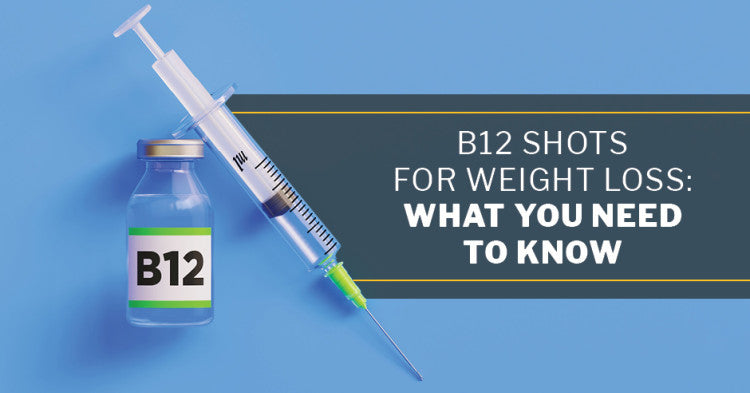
Where the approach falls short: if you chase a symptom (fatigue, brain fog) without measuring B12 status and related causes, the results can be underwhelming. Also, if you take injections or high-dose supplements without a plan for follow-up, you may miss the chance to address the actual root cause.
What Research Suggests and What It Doesn't
Here’s the evidence-based framing that tends to match real outcomes: B12 deficiency is associated with certain symptoms, and correcting true deficiency can improve related issues. However, research doesn’t support a blanket expectation that injecting B12 will noticeably boost energy for everyone, especially when baseline B12 isn’t clearly deficient.
What research suggests:
- When deficiency is present, bringing B12 levels up is a reasonable clinical goal.
- Oral high-dose B12 can raise blood levels in many people, sometimes reducing the need for repeated injections.
- Symptom timelines vary; even when deficiency is corrected, the “how long does it take” question can’t be answered with a single number.
What research doesn’t support:
- It doesn’t support treating B12 as a guaranteed performance enhancer for energy, weight loss, or mood when deficiency hasn’t been established.
- It doesn’t justify ignoring underlying causes (absorption problems, anemia patterns, thyroid issues, medication effects, or nutrition gaps).
- It doesn’t mean injections are “bad”—only that they’re not automatically the best first-line move for every situation.
Risks and limitations: even if B12 itself is generally well-tolerated, injections can cause injection-site pain, bruising, and (rarely) allergic reactions. Also, B12 testing can be tricky at the margins—some people have borderline results, and “normal” ranges don’t always tell the full story for absorption-related cases. That’s part of why many clinicians are more selective now.
Ingredients, Formats, and Quality Signals
If you’re comparing “B12 injections” vs “B12 options,” it helps to understand what you’re actually buying or receiving. Here are common forms and quality signals that tend to matter to consumers:
- Injections: typically B12 as hydroxocobalamin or cyanocobalamin, given in clinic or via a provider-led plan. The formulation and dose frequency are usually determined by labs and symptoms.
- Oral tablets: cyanocobalamin or methylcobalamin. Often taken daily at doses that can range widely depending on deficiency risk.
- Sublingual: B12 placed under the tongue; many products use methylcobalamin. This can be convenient if you dislike swallowing pills, though the key remains dose and follow-up.
- “Energy” blends: B12 is sometimes included with other B vitamins, iron, or “metabolism” ingredients. These can complicate the picture because you can’t easily tell what helped (or what didn’t).
Quality signals to look for:
- Clear labeling of form (e.g., methylcobalamin vs cyanocobalamin) and dose.
- Third-party testing or verification for supplements (not just marketing claims).
- Transparent manufacturing standards (e.g., GMP) and batch/lot traceability.
- Reasonable instructions—especially around timing, dose frequency, and interactions.
Product direction (how to think about choosing): if your goal is to avoid unnecessary injections, look for a plan that starts with labs and uses either clinician-directed injections when appropriate or a high-quality oral/sublingual B12 trial with a defined check-in date. That’s the consumer-friendly middle ground that aligns with why doctors are limiting injections in many cases.
Comparison of Common Options
| Format | Typical Dose/Use | Pros | Cons | Cost | Best For |
|---|---|---|---|---|---|
| Clinician-led injection (initial correction) | Provider-determined; often weekly/biweekly for a set period | Direct administration; may suit clear deficiency/absorption concerns | Office visits; injection-site discomfort; higher friction | Higher (visit + medication) | Confirmed deficiency or when a clinician believes oral may be insufficient |
| Oral tablet (daily trial) | Higher daily dose for a defined window (e.g., 8–12 weeks) | Low effort; good for follow-up labs and trend monitoring | Needs consistency; not ideal if absorption is severely impaired | Lower to moderate | Borderline or low levels where oral is likely to work |
| Sublingual methylcobalamin | Daily use; dose varies by product | Convenient; may suit people who prefer tablets avoided | Still requires consistency; product quality varies | Moderate | Convenience-focused trial with planned follow-up |
| “B12 + energy blend” supplement | Daily blend; sometimes combined with stimulatory or other vitamins | Convenient multi-ingredient approach | Hard to know what’s helping; may include unnecessary additives | Moderate to high | People with multiple nutrition gaps (but still ideally with labs) |
| Diet-focused + oral maintenance | Adjusted foods plus low/medium oral dose maintenance | Supports long-term pattern; fewer needle-related issues | Slower to change intake; relies on diet feasibility | Low to moderate | Stable levels, prevention, and maintenance after correction |
Buying Framework and Red Flags
If you want the “consumer review” version of this decision, use a framework that avoids both extremes: not believing every marketing claim, and not dismissing B12 when deficiency is possible.
Checklist (use before you buy or commit):
- Have you had recent labs (B12, and ideally related markers your clinician uses) instead of guessing?
- Do you know the form you’re taking (methylcobalamin vs cyanocobalamin)?
- Is there a clear plan for follow-up (for example, recheck in 8–12 weeks)?
- Are you combining B12 with other “energy” ingredients that could muddy results?
- Are you able to stop and reassess if there’s no change after a reasonable time window?
- Does the product show quality signals (clear dosing, third-party testing/verification, GMP)?
- Are there red flags in the marketing (promises of cures, instant energy, or weight-loss guarantees)?
Red flags to watch for:
- “Instant results” timelines that don’t match biology.
- Vague dosing (“proprietary blend” without mg/µg clarity).
- No mention of follow-up labs or the need to identify deficiency causes.
- Very high claims tied to weight loss or “fat burning” without evidence.
- Injection programs that don’t ask about labs, symptoms, or medical history.
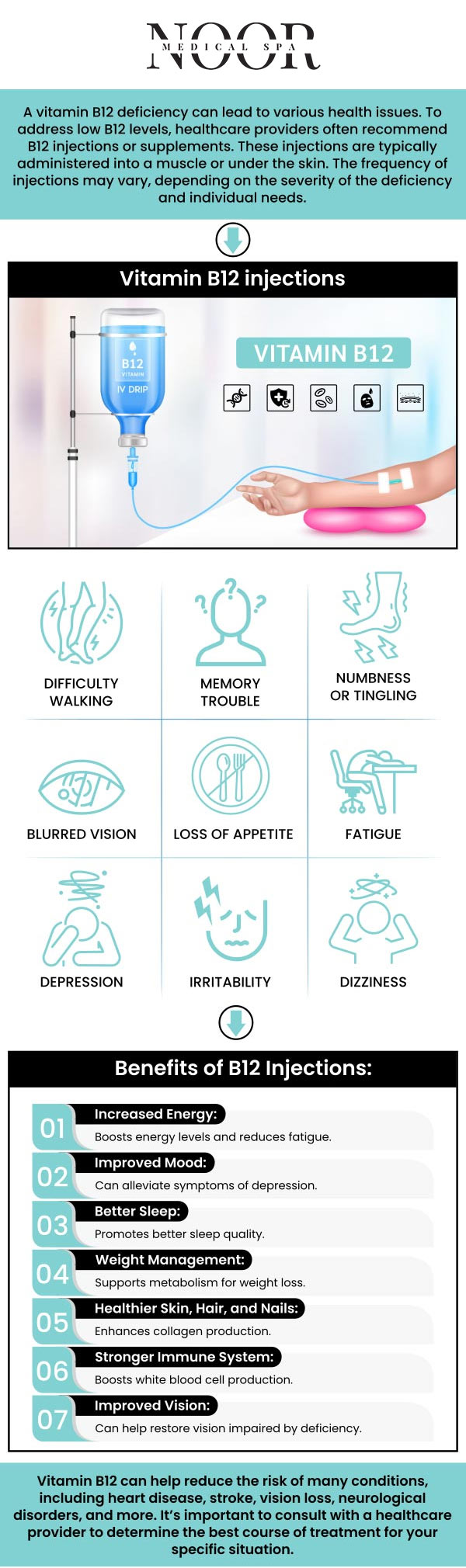
Common Mistakes and How to Avoid Them
- Mistake: treating fatigue like it has one cause. B12 is just one piece. If you can, address sleep, iron, and stress alongside B12 decision-making.
- Mistake: starting injections without labs. If your B12 status is unknown, consider a lab-guided approach first.
- Mistake: expecting “days” instead of “weeks.” Even when deficiency is addressed, symptom changes aren’t always immediate.
- Mistake: stopping too early after one dose. For many approaches, you need a defined trial window and a follow-up check-in.
- Mistake: ignoring the “why” behind low B12. If absorption issues or medications are factors, supplementing alone may not fully solve the problem.
FAQ
Is it proven that B12 injections help when doctors stop them?
Evidence supports B12 correction when deficiency is real, but it doesn’t prove injections help everyone with fatigue or “brain fog.” If your B12 levels are normal or only mildly borderline, injections may not deliver a noticeable benefit. The most evidence-aligned approach is testing first and using the route (injection vs oral) that matches your situation.
How long does it take for B12 injections (or oral B12) to work?
Timelines vary. Some people notice changes within a few weeks; others take longer, and some don’t notice symptom improvement even if blood levels improve. A practical consumer approach is a defined trial (often 8–12 weeks) paired with follow-up labs rather than judging after a single injection or a few doses.
What side effects should I expect if I’m asking why are doctors stopping B12 injections?
Common injection-site effects include soreness, bruising, and redness. Rarely, allergic reactions can occur. With oral/sublingual options, gastrointestinal discomfort can happen in some people, and product quality/dose consistency can affect outcomes. If you have new or worsening symptoms after starting, stop and talk to a clinician.
Can B12 combine with iron or other supplements for women 35–44?
Often, yes—but it depends on your overall regimen and medical context. If you’re taking iron, thyroid medication, or certain prescriptions, timing may matter. The safest approach is to review your full list with a clinician and keep a simple tracking plan so you can tell what’s affecting you.
Oral vs injection: what’s the better alternative to B12 injections if doctors are moving away from them?
For many people, oral or sublingual B12 is a reasonable alternative—especially when deficiency is mild or borderline and when you can stay consistent with daily dosing. Injections may still be appropriate in confirmed deficiency or suspected absorption problems under clinician guidance. The “better” option is the one that fits your labs, tolerability, and follow-up plan.
A Practical 2-Week Experiment Framework
This is not a promise—think of it as a structured, consumer-friendly way to decide whether to continue, adjust, or pause and ask better questions. If you’re currently deficient or have significant symptoms, involve your clinician early rather than treating this as a DIY substitute.
Week 1 (setup + baseline):
- Pick one approach only (oral/sublingual or an injection plan already prescribed). Avoid switching products mid-week.
- Record baseline measures: sleep hours, energy rating (1–10), focus rating (1–10), and any side effects (even mild).
- Note the time of day you take it and with what (especially if you’re taking other supplements or medications).
Week 2 (observe + decide):
- Continue the same dose and timing.
- If you notice side effects (rash, persistent GI upset, unusual reactions), stop and contact a clinician.
- If there’s no change at all in energy/focus by day 14, that doesn’t automatically mean it’s useless—but it does mean you should reassess expectations and consider labs, dose adequacy, or alternative causes.
- Schedule your follow-up plan: even if you don’t recheck labs immediately, have a date in mind for the next step (often 8–12 weeks for a trial).
Simple stop rules: stop if you develop troubling side effects, if you were advised to do something else medically, or if your clinician tells you to pause. If the “experiment” is helping and tolerable, continue with the longer trial window and plan follow-up.
About the Author
Dr. Maya Thompson, MD is a physician in nutrition and preventive care who has reviewed patient supplement regimens and helped translate lab results into practical, cautious plans. Her work focuses on matching interventions to measurable need rather than chasing symptoms alone. She has experience conducting consumer-style medication and supplement reviews that prioritize clarity, dosing transparency, and follow-up testing.
Disclaimer: This article is for informational purposes only and is not medical advice. If you suspect B12 deficiency, have neurologic symptoms, or are pregnant or managing complex conditions, consult a qualified clinician before starting injections or high-dose supplements. Results vary based on the cause of deficiency, adherence, and underlying health factors.
Discussion